Native American Tribes Seek Reimbursement for Healthcare Administration Costs in US Supreme Court Argument
News
March 25, 2024
A Jenner & Block team today argued at the US Supreme Court on behalf of the Northern Arapaho Tribe, seeking reimbursement from the Indian Health Services (IHS) for certain “contract support costs” – the overhead costs for tribe-provided health care.
Previously, the 10th Circuit Court of Appeals sided with the Northern Arapaho Tribe, ordering the IHS to pay $1.5 million in administrative costs incurred from the provision of healthcare services for tribal citizens. The IHS has refused to reimburse costs incurred for providing services paid for by Medicare, Medicaid, or insurance reimbursements.
The San Carlos Apache Tribe of Arizona also argued before the Court today, seeking to preserve the 9th Circuit Court of Appeals decision in which it won reimbursement for $3 million for three-year’s worth of administrative costs for tribal run health care and wellness programs.
Under the Indian Self-Determination and Education Assistance Act (ISDA), tribes are entitled to reimbursement for the indirect costs incurred in providing services, regardless of whether those services are paid for by the IHS or other sources.
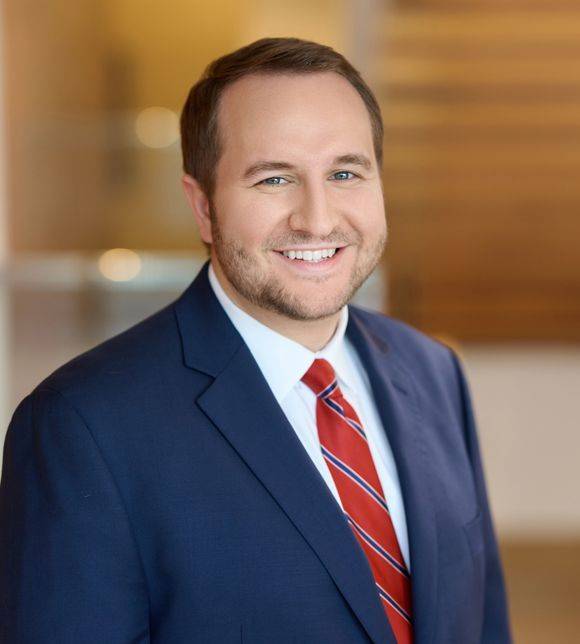
“The intent of Congress is clear,” said Partner Adam Unikowsky, who argued on behalf of the tribe. “The Indian Self-Determination and Education Assistance Act unambiguously entitles the Tribe to collect contract support costs arising from its expenditures on tribal healthcare at issue in this case. The Indian Health Service’s effort to avoid payment undermines the Tribe’s healthcare program and imposes a self-determination penalty on the tribes despite Congress’ intent to avoid that result.” Read the brief.
In 2016, the Northern Arapaho Tribe contracted with IHS to administer a broad range of health care services on the Wind River Reservation, including outpatient ambulatory medical care and primary care, nursing, mental health, radiology, physical therapy, optometry, dental care, community health services, and laboratory and pharmacy services. The Wind River Service Unit, which provides these services for approximately 12,000 patients primarily from the Northern Arapaho and Eastern Shoshone Tribes, is tied for the lowest level of funding sufficiency across all IHS-funding programs. Due to this severe underfunding, health services on the Wind River Reservation are provided from a health center constructed as a military commissary in 1884 – the oldest IHS facility in the nation.
Unreimbursed contract support costs strike at an already underfunded tribal health care system. As the tribe wrote in their Supreme Court brief, “If tribes cannot recover the contract support costs that they incur when making the same expenditures as IHS, they are penalized for entering into ISDA contracts – precisely the result Congress sought to avoid in ensuring that other contract support costs would be paid.”
There is broad support for the tribes’ pursuit of contract support payments, including a joint amicus brief filed by the National Congress of American Indians, Choctaw Nation of Oklahoma, Citizen Potawatomi Nation, Coquille Indian Tribe, Forest County Potawatomi Community, Mille Lacs Band of Ojibwe, Navajo Nation, Pueblo of Acoma, Pueblo of San Felipe, and Saint Regis Mohawk Tribe, as well as the Alaska Native Tribal Health Consortium, the Intertribal Association of Arizona Inc., and the United South and Eastern Tribes.
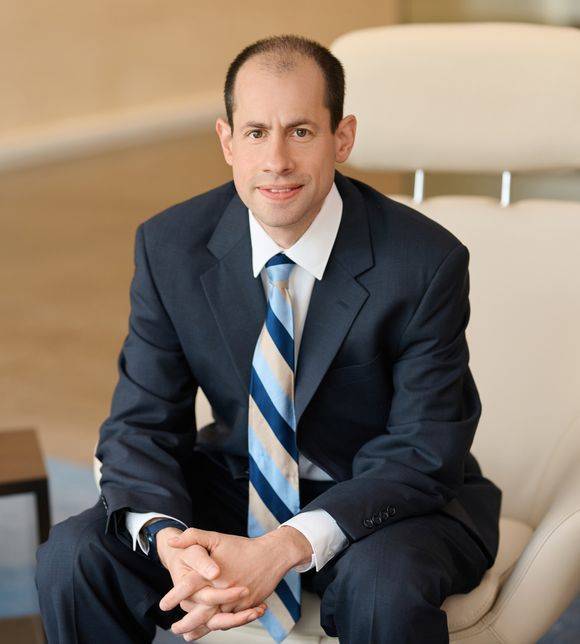
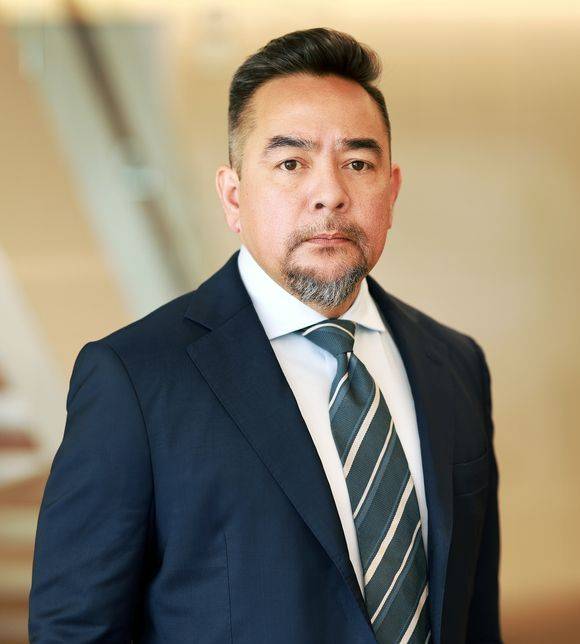
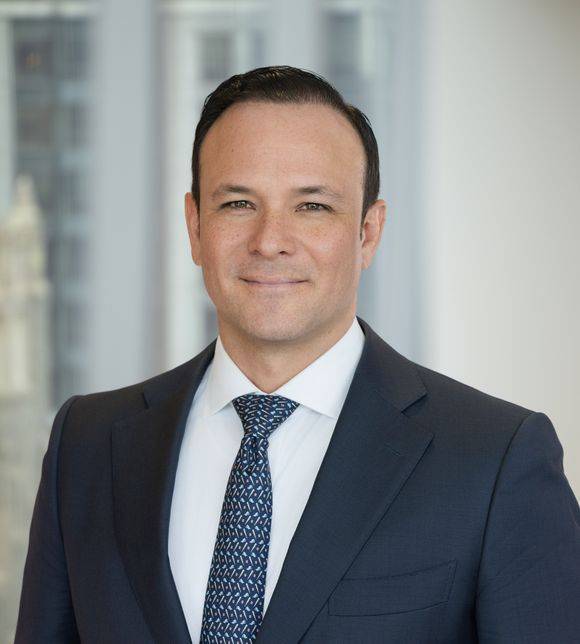
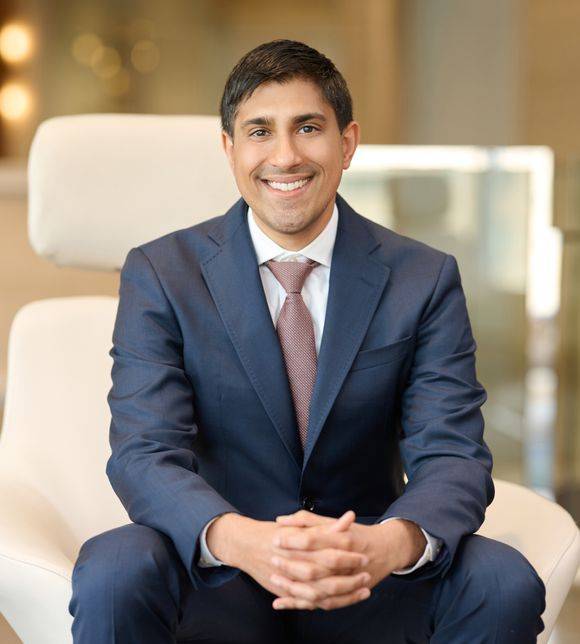
In addition to Adam, the Jenner & Block team includes Partners Keith Harper and Charlie Galbraith; Special Counsel Lenny Powell; Associates Arjun Ramamurti and Andrew DeGuglielmo; and Law Clerk Donovan Hicks.
Related Attorneys
Related Capabilities
© 2026 Jenner & Block LLP. Attorney Advertising. Jenner & Block LLP is an Illinois Limited Liability Partnership including professional corporations. This publication, presentation, or event is not intended to provide legal advice but to provide information on legal matters and/or firm news of interest to our clients and colleagues. Readers or attendees should seek specific legal advice before taking any action with respect to matters mentioned in this publication or at this event. The attorney responsible for this communication is Brent E. Kidwell, Jenner & Block LLP, 353 N. Clark Street, Chicago, IL 60654-3456. Prior results do not guarantee a similar outcome. Jenner & Block London LLP, an affiliate of Jenner & Block LLP, is a limited liability partnership established under the laws of the State of Delaware, USA and is authorised and regulated by the Solicitors Regulation Authority with SRA number 615729. Information regarding the data we collect and the rights you have over your data can be found in our Privacy Notice. For further inquiries, please contact dataprotection@jenner.com.
News
March 25, 2024
A Jenner & Block team today argued at the US Supreme Court on behalf of the Northern Arapaho Tribe, seeking reimbursement from the Indian Health Services (IHS) for certain “contract support costs” – the overhead costs for tribe-provided health care.
Previously, the 10th Circuit Court of Appeals sided with the Northern Arapaho Tribe, ordering the IHS to pay $1.5 million in administrative costs incurred from the provision of healthcare services for tribal citizens. The IHS has refused to reimburse costs incurred for providing services paid for by Medicare, Medicaid, or insurance reimbursements.
The San Carlos Apache Tribe of Arizona also argued before the Court today, seeking to preserve the 9th Circuit Court of Appeals decision in which it won reimbursement for $3 million for three-year’s worth of administrative costs for tribal run health care and wellness programs.
Under the Indian Self-Determination and Education Assistance Act (ISDA), tribes are entitled to reimbursement for the indirect costs incurred in providing services, regardless of whether those services are paid for by the IHS or other sources.
“The intent of Congress is clear,” said Partner Adam Unikowsky, who argued on behalf of the tribe. “The Indian Self-Determination and Education Assistance Act unambiguously entitles the Tribe to collect contract support costs arising from its expenditures on tribal healthcare at issue in this case. The Indian Health Service’s effort to avoid payment undermines the Tribe’s healthcare program and imposes a self-determination penalty on the tribes despite Congress’ intent to avoid that result.” Read the brief.
In 2016, the Northern Arapaho Tribe contracted with IHS to administer a broad range of health care services on the Wind River Reservation, including outpatient ambulatory medical care and primary care, nursing, mental health, radiology, physical therapy, optometry, dental care, community health services, and laboratory and pharmacy services. The Wind River Service Unit, which provides these services for approximately 12,000 patients primarily from the Northern Arapaho and Eastern Shoshone Tribes, is tied for the lowest level of funding sufficiency across all IHS-funding programs. Due to this severe underfunding, health services on the Wind River Reservation are provided from a health center constructed as a military commissary in 1884 – the oldest IHS facility in the nation.
Unreimbursed contract support costs strike at an already underfunded tribal health care system. As the tribe wrote in their Supreme Court brief, “If tribes cannot recover the contract support costs that they incur when making the same expenditures as IHS, they are penalized for entering into ISDA contracts – precisely the result Congress sought to avoid in ensuring that other contract support costs would be paid.”
There is broad support for the tribes’ pursuit of contract support payments, including a joint amicus brief filed by the National Congress of American Indians, Choctaw Nation of Oklahoma, Citizen Potawatomi Nation, Coquille Indian Tribe, Forest County Potawatomi Community, Mille Lacs Band of Ojibwe, Navajo Nation, Pueblo of Acoma, Pueblo of San Felipe, and Saint Regis Mohawk Tribe, as well as the Alaska Native Tribal Health Consortium, the Intertribal Association of Arizona Inc., and the United South and Eastern Tribes.
In addition to Adam, the Jenner & Block team includes Partners Keith Harper and Charlie Galbraith; Special Counsel Lenny Powell; Associates Arjun Ramamurti and Andrew DeGuglielmo; and Law Clerk Donovan Hicks.
Related Attorneys
Related Capabilities
© 2026 Jenner & Block LLP. Attorney Advertising. Jenner & Block LLP is an Illinois Limited Liability Partnership including professional corporations. This publication, presentation, or event is not intended to provide legal advice but to provide information on legal matters and/or firm news of interest to our clients and colleagues. Readers or attendees should seek specific legal advice before taking any action with respect to matters mentioned in this publication or at this event. The attorney responsible for this communication is Brent E. Kidwell, Jenner & Block LLP, 353 N. Clark Street, Chicago, IL 60654-3456. Prior results do not guarantee a similar outcome. Jenner & Block London LLP, an affiliate of Jenner & Block LLP, is a limited liability partnership established under the laws of the State of Delaware, USA and is authorised and regulated by the Solicitors Regulation Authority with SRA number 615729. Information regarding the data we collect and the rights you have over your data can be found in our Privacy Notice. For further inquiries, please contact dataprotection@jenner.com.
News and Insights
Podcasts
Partner Laurel Loomis Rimon Discusses Fintech Enforcement, Debanking, and Regulatory Risk on Fintech Layer Cake Podcast
Partner Laurel Loomis Rimon was featured on the Fintech Layer Cake podcast, where she discussed how fintech enforcement and prosecution actually work in practice, and what exposes fintechs and banks to regulatory risk.
July 15, 2026
Publications
Supreme Court Clarifies Scope of Private Rights of Action Under the Investment Company Act, Private Equity Law Report
Partners Charles Riely, Todd C. Toral, and Martin Glass authored a guest article for Private Equity Law Report examining the US Supreme Court's June 11, 2026, ruling on the scope of private rights of action under the Investment Company Act of 1940.
July 14, 2026
Publications
Emily Loeb Discusses Congressional Oversight Preparedness in Bloomberg Law
Partner Emily Loeb, co-chair of Jenner & Block's Congressional Investigations Practice, spoke with Bloomberg Law article about how companies can prepare for potential oversight exposure ahead of this fall's midterm elections.
July 7, 2026
Publications
In New York Law Journal, The True Lender Doctrine and the OppFi Decision
Partners Jeremy Creelan, Michael Ross, Megan Poetzel, and Laurel Loomis Rimon, and Associate Molly Oberstein-Allen authored an article for the New York Law Journal examining the "True Lender" doctrine in light of a May 2026 California decision that provides the most detailed judicial framework to date for evaluating bank-nonbank lending partnerships.
July 1, 2026
Event
Partner Michael Vernick to Speak at NACUA's 2026 Annual Conference
On July 1, Partner Michael Vernick will speak on a panel at the National Association of College and University Attorneys (NACUA) 2026 Annual Conference in Nashville.
July 1, 2026