


Supreme Court Won’t Be Taking on This Takings Case
On June 30, the Supreme Court denied the petition for a writ of certiorari in GHP Management Corporation v. City of Los Angeles. The case arose out of a COVID-era eviction moratorium enacted by the City of Los Angeles which barred landlords from evicting tenants due to COVID-related non-payment of rent. Los Angeles landlords sued the city, arguing that the moratorium constituted a per se physical taking in violation of the Fifth Amendment Takings Clause which prohibits the taking of “private property . . . for public use without just compensation.”
The district court dismissed the landlords’ claim, and the Ninth Circuit affirmed that ruling, holding that the moratorium did not constitute a per se physical taking. In the Ninth Circuit’s view, the law did not force the property owners to give space to “an interloper with a government license.” Instead, the law regulated the existing relationship between landlords and their previously invited tenants, a type of regulation that the Supreme Court has upheld in the past against Takings Clause challenges. In Yee v. City of Escondido, 503 U.S. 519 (1992), for example, the Court found no taking in a case where onerous delays were placed on evicting tenants from a mobile home community that had been voluntarily taken on as tenants. The Court also noted that the moratorium did not extend into perpetuity and allowed landlords to evict tenants on other, non-prohibited grounds, further evidencing that it was not a taking.
This holding by the Ninth Circuit conflicts with decisions in both the Eighth and Federal Circuits. Of particular note, the Federal Circuit recently denied a motion for rehearing en banc in Darby Development Co. v. United States, in which the court found that the COVID-era eviction moratorium imposed by the Centers for Disease Control and Prevention constituted a taking. Those courts have concluded that the applicable precedent is not Yee but instead Cedar Point Nursery v. Hassid, 594 U.S. 139 (2021). In that case, the Court found a taking where agricultural property owners were required to permit labor organizers onto their land, reasoning that such a regulation constituted an appropriation of the owners’ right to exclude for the benefit of a third party.
The landlords filed a petition for certiorari seeking review of the Ninth Circuit’s decision, but the Supreme Court denied certiorari. In Justice Thomas’s dissent from that denial, in which Justice Gorsuch joined, Justice Thomas emphasized that the Supreme Court’s dueling decisions caused the circuit conflict, and that GHP Management Corp. was an ideal vehicle by which to resolve it. The Supreme Court having declined to do so, landlords will remain uncertain on whether the government may prohibit them from evicting their tenants. Another opportunity to address this takings standard may come if the federal government files a petition for a writ of certiorari in Darby. For more on Darby, see Client Alert: Federal Circuit Denies Rehearing in Takings Case on Eviction Moratorium. If a petition is filed and the Supreme Court agrees to hear the case, the hearing would occur either late in the 2025-26 term or early in the 2026-27 term.
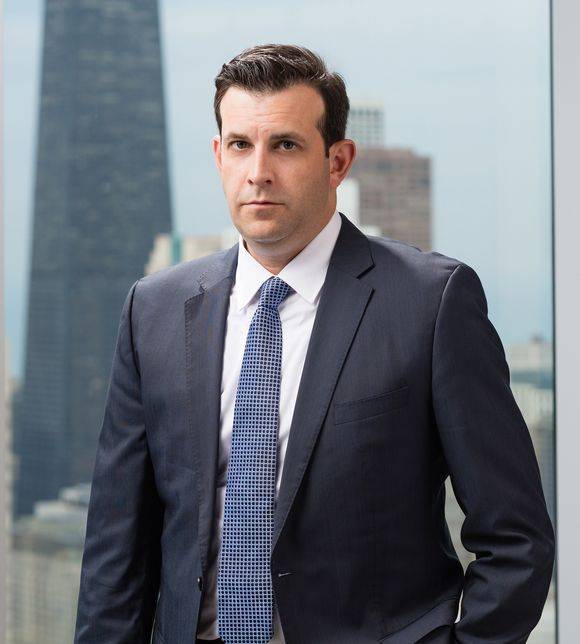
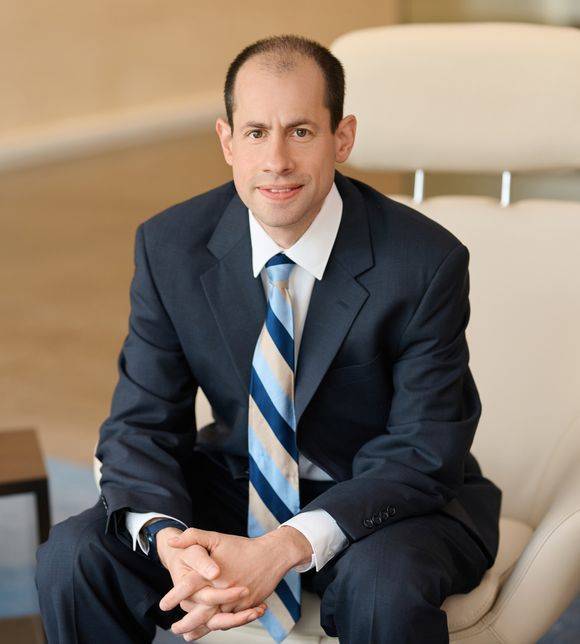
At Jenner & Block, we stand firm for our clients. Our Real Estate Litigation Practice, led by Andrew Vail and Dan Weiss has a long history of successfully litigating to protect unlawful government intrusions on property owners’ rights.
The district court dismissed the landlords’ claim, and the Ninth Circuit affirmed that ruling, holding that the moratorium did not constitute a per se physical taking. In the Ninth Circuit’s view, the law did not force the property owners to give space to “an interloper with a government license.” Instead, the law regulated the existing relationship between landlords and their previously invited tenants, a type of regulation that the Supreme Court has upheld in the past against Takings Clause challenges. In Yee v. City of Escondido, 503 U.S. 519 (1992), for example, the Court found no taking in a case where onerous delays were placed on evicting tenants from a mobile home community that had been voluntarily taken on as tenants. The Court also noted that the moratorium did not extend into perpetuity and allowed landlords to evict tenants on other, non-prohibited grounds, further evidencing that it was not a taking.
This holding by the Ninth Circuit conflicts with decisions in both the Eighth and Federal Circuits. Of particular note, the Federal Circuit recently denied a motion for rehearing en banc in Darby Development Co. v. United States, in which the court found that the COVID-era eviction moratorium imposed by the Centers for Disease Control and Prevention constituted a taking. Those courts have concluded that the applicable precedent is not Yee but instead Cedar Point Nursery v. Hassid, 594 U.S. 139 (2021). In that case, the Court found a taking where agricultural property owners were required to permit labor organizers onto their land, reasoning that such a regulation constituted an appropriation of the owners’ right to exclude for the benefit of a third party.
The landlords filed a petition for certiorari seeking review of the Ninth Circuit’s decision, but the Supreme Court denied certiorari. In Justice Thomas’s dissent from that denial, in which Justice Gorsuch joined, Justice Thomas emphasized that the Supreme Court’s dueling decisions caused the circuit conflict, and that GHP Management Corp. was an ideal vehicle by which to resolve it. The Supreme Court having declined to do so, landlords will remain uncertain on whether the government may prohibit them from evicting their tenants. Another opportunity to address this takings standard may come if the federal government files a petition for a writ of certiorari in Darby. For more on Darby, see Client Alert: Federal Circuit Denies Rehearing in Takings Case on Eviction Moratorium. If a petition is filed and the Supreme Court agrees to hear the case, the hearing would occur either late in the 2025-26 term or early in the 2026-27 term.
At Jenner & Block, we stand firm for our clients. Our Real Estate Litigation Practice, led by Andrew Vail and Dan Weiss has a long history of successfully litigating to protect unlawful government intrusions on property owners’ rights.
Related Lawyers

© 2026 Jenner & Block LLP. Attorney Advertising. Jenner & Block LLP is an Illinois Limited Liability Partnership including professional corporations. This publication, presentation, or event is not intended to provide legal advice but to provide information on legal matters and/or firm news of interest to our clients and colleagues. Readers or attendees should seek specific legal advice before taking any action with respect to matters mentioned in this publication or at this event. The attorney responsible for this communication is Brent E. Kidwell, Jenner & Block LLP, 353 N. Clark Street, Chicago, IL 60654-3456. Prior results do not guarantee a similar outcome. Jenner & Block London LLP, an affiliate of Jenner & Block LLP, is a limited liability partnership established under the laws of the State of Delaware, USA and is authorised and regulated by the Solicitors Regulation Authority with SRA number 615729. Information regarding the data we collect and the rights you have over your data can be found in our Privacy Notice. For further inquiries, please contact dataprotection@jenner.com.
On June 30, the Supreme Court denied the petition for a writ of certiorari in GHP Management Corporation v. City of Los Angeles. The case arose out of a COVID-era eviction moratorium enacted by the City of Los Angeles which barred landlords from evicting tenants due to COVID-related non-payment of rent. Los Angeles landlords sued the city, arguing that the moratorium constituted a per se physical taking in violation of the Fifth Amendment Takings Clause which prohibits the taking of “private property . . . for public use without just compensation.”
The district court dismissed the landlords’ claim, and the Ninth Circuit affirmed that ruling, holding that the moratorium did not constitute a per se physical taking. In the Ninth Circuit’s view, the law did not force the property owners to give space to “an interloper with a government license.” Instead, the law regulated the existing relationship between landlords and their previously invited tenants, a type of regulation that the Supreme Court has upheld in the past against Takings Clause challenges. In Yee v. City of Escondido, 503 U.S. 519 (1992), for example, the Court found no taking in a case where onerous delays were placed on evicting tenants from a mobile home community that had been voluntarily taken on as tenants. The Court also noted that the moratorium did not extend into perpetuity and allowed landlords to evict tenants on other, non-prohibited grounds, further evidencing that it was not a taking.
This holding by the Ninth Circuit conflicts with decisions in both the Eighth and Federal Circuits. Of particular note, the Federal Circuit recently denied a motion for rehearing en banc in Darby Development Co. v. United States, in which the court found that the COVID-era eviction moratorium imposed by the Centers for Disease Control and Prevention constituted a taking. Those courts have concluded that the applicable precedent is not Yee but instead Cedar Point Nursery v. Hassid, 594 U.S. 139 (2021). In that case, the Court found a taking where agricultural property owners were required to permit labor organizers onto their land, reasoning that such a regulation constituted an appropriation of the owners’ right to exclude for the benefit of a third party.
The landlords filed a petition for certiorari seeking review of the Ninth Circuit’s decision, but the Supreme Court denied certiorari. In Justice Thomas’s dissent from that denial, in which Justice Gorsuch joined, Justice Thomas emphasized that the Supreme Court’s dueling decisions caused the circuit conflict, and that GHP Management Corp. was an ideal vehicle by which to resolve it. The Supreme Court having declined to do so, landlords will remain uncertain on whether the government may prohibit them from evicting their tenants. Another opportunity to address this takings standard may come if the federal government files a petition for a writ of certiorari in Darby. For more on Darby, see Client Alert: Federal Circuit Denies Rehearing in Takings Case on Eviction Moratorium. If a petition is filed and the Supreme Court agrees to hear the case, the hearing would occur either late in the 2025-26 term or early in the 2026-27 term.
At Jenner & Block, we stand firm for our clients. Our Real Estate Litigation Practice, led by Andrew Vail and Dan Weiss has a long history of successfully litigating to protect unlawful government intrusions on property owners’ rights.
The district court dismissed the landlords’ claim, and the Ninth Circuit affirmed that ruling, holding that the moratorium did not constitute a per se physical taking. In the Ninth Circuit’s view, the law did not force the property owners to give space to “an interloper with a government license.” Instead, the law regulated the existing relationship between landlords and their previously invited tenants, a type of regulation that the Supreme Court has upheld in the past against Takings Clause challenges. In Yee v. City of Escondido, 503 U.S. 519 (1992), for example, the Court found no taking in a case where onerous delays were placed on evicting tenants from a mobile home community that had been voluntarily taken on as tenants. The Court also noted that the moratorium did not extend into perpetuity and allowed landlords to evict tenants on other, non-prohibited grounds, further evidencing that it was not a taking.
This holding by the Ninth Circuit conflicts with decisions in both the Eighth and Federal Circuits. Of particular note, the Federal Circuit recently denied a motion for rehearing en banc in Darby Development Co. v. United States, in which the court found that the COVID-era eviction moratorium imposed by the Centers for Disease Control and Prevention constituted a taking. Those courts have concluded that the applicable precedent is not Yee but instead Cedar Point Nursery v. Hassid, 594 U.S. 139 (2021). In that case, the Court found a taking where agricultural property owners were required to permit labor organizers onto their land, reasoning that such a regulation constituted an appropriation of the owners’ right to exclude for the benefit of a third party.
The landlords filed a petition for certiorari seeking review of the Ninth Circuit’s decision, but the Supreme Court denied certiorari. In Justice Thomas’s dissent from that denial, in which Justice Gorsuch joined, Justice Thomas emphasized that the Supreme Court’s dueling decisions caused the circuit conflict, and that GHP Management Corp. was an ideal vehicle by which to resolve it. The Supreme Court having declined to do so, landlords will remain uncertain on whether the government may prohibit them from evicting their tenants. Another opportunity to address this takings standard may come if the federal government files a petition for a writ of certiorari in Darby. For more on Darby, see Client Alert: Federal Circuit Denies Rehearing in Takings Case on Eviction Moratorium. If a petition is filed and the Supreme Court agrees to hear the case, the hearing would occur either late in the 2025-26 term or early in the 2026-27 term.
At Jenner & Block, we stand firm for our clients. Our Real Estate Litigation Practice, led by Andrew Vail and Dan Weiss has a long history of successfully litigating to protect unlawful government intrusions on property owners’ rights.
Related Lawyers
© 2026 Jenner & Block LLP. Attorney Advertising. Jenner & Block LLP is an Illinois Limited Liability Partnership including professional corporations. This publication, presentation, or event is not intended to provide legal advice but to provide information on legal matters and/or firm news of interest to our clients and colleagues. Readers or attendees should seek specific legal advice before taking any action with respect to matters mentioned in this publication or at this event. The attorney responsible for this communication is Brent E. Kidwell, Jenner & Block LLP, 353 N. Clark Street, Chicago, IL 60654-3456. Prior results do not guarantee a similar outcome. Jenner & Block London LLP, an affiliate of Jenner & Block LLP, is a limited liability partnership established under the laws of the State of Delaware, USA and is authorised and regulated by the Solicitors Regulation Authority with SRA number 615729. Information regarding the data we collect and the rights you have over your data can be found in our Privacy Notice. For further inquiries, please contact dataprotection@jenner.com.
News and Insights
Event
Associate Steven Arango to Speak at the Veterans' Legal Career Fair
On September 18, Associate Steven Arango will speak on a panel at the Veterans' Legal Career Fair (VLCF), the only legal career fair in the United States dedicated to veterans, active-duty service members, and military spouses.
September 18, 2026
Publications
Partner Lucy Blake Discusses the FCA's New Non-Financial Misconduct Regime in Law360
Partner Lucy Blake spoke with Law360 for an article examining the Financial Conduct Authority's new non-financial misconduct rules, which took effect this week and extend existing banking-sector conduct standards to roughly 37,000 non-banking financial businesses.
September 2, 2026
Publications
In American Banker, Partner Laurel Loomis Rimon Weighs in on OCC's Handling of Fintech Bank Charter Applications
Partner Laurel Loomis Rimon spoke with American Banker about how the Office of the Comptroller of the Currency is approaching bank charter applications from fintechs, amid a growing wave of companies seeking charters from federal regulators.
August 18, 2026