Supreme Court Declines to Review Tax Dispute, Preserves Important Second Circuit Victory for Cayuga Nation

On June 7, the US Supreme Court announced that it refused to take up a petition from a New York county seeking to reverse a Second Circuit opinion holding that the Cayuga Nation’s sovereign immunity from suit blocks the county from foreclosing on Nation-owned properties based on a tax dispute.

The decision not to pick up Seneca County’s petition preserves an important victory for the Cayuga Nation that resolves nearly a decade of litigation in the first federal appellate decision to address the Supreme Court’s 2018 decision in Upper Skagit Indian Tribe v. Lundgren.

The dispute concerns properties that the Nation in 2007 acquired in fee simple within its federal reservation established by the 1794 Treaty of Canandaigua. New York state law exempts from property taxes “reservation” lands owned by Indian tribes. But Seneca County nonetheless assessed taxes on the Nation’s properties and moved to foreclose on them. In 2011, the Nation sought declaratory and injunctive relief to prevent these foreclosures in the US district court for the Western District of New York. The district court granted a preliminary injunction, holding that the Nation’s sovereign immunity barred the foreclosures. In 2014, the Second Circuit affirmed. In 2018, the district court entered a permanent injunction barring the county’s foreclosures, and the county again appealed to the Second Circuit. 

In the meantime, the Supreme Court decided Upper Skagit Indian Tribe v. Lundgren. That case concerned whether tribal sovereign immunity barred a “quiet title” action that sought to resolve ownership of a disputed tract. The plaintiff argued that sovereign immunity did not apply because “[a]t common law … sovereigns enjoyed no immunity from actions involving immovable property located in the territory of another sovereign.” The Court declined to address this alleged “immovable property” exception, deeming the argument waived, and ruled for the tribe. Justice Thomas, in dissent, concluded that the immovable-property exception applied and would have ruled for the plaintiff. On appeal to the Second Circuit, Seneca County invoked the immovable property exception and claimed that this exception permitted its foreclosure actions to proceed. 

The Second Circuit, however, ruled for the Nation once again. The Second Circuit found that it did not need to resolve whether the common-law immovable-property exception applied to tribal sovereign immunity—because “even were we to recognize the County’s proposed exception …, the Foreclosure Actions lie outside its bounds.”  After surveying treatises and caselaw dating back centuries, the Second Circuit explained that the “immovable-property exception[’s]” “animating concern” is adjudicating “rights in real estate”—as in cases like Upper Skagit itself, concerning disputes over who owns what. The Second Circuit agreed with the Nation that Seneca County’s foreclosure actions were not of that type: “Although a foreclosure action certainly involves real property, the Cayuga Nation observes—and we are convinced—that these tax enforcement actions are—fundamentally—about money, not property.” Because Seneca County’s actions were “best seen as the functional equivalent of an action to execute on a money judgment,” the Second Circuit held that they “lie well within the categories of suits from which sovereigns were traditionally immune under the common law.” The Second Circuit therefore affirmed the permanent injunction against the County’s foreclosures.

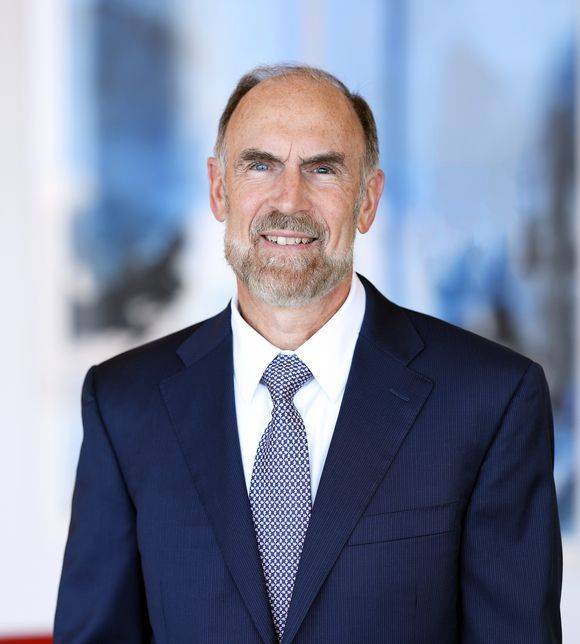
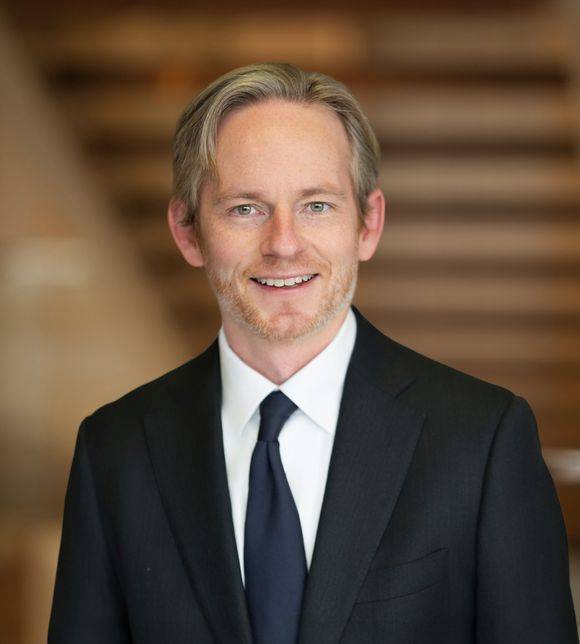
Jenner & Block Partners David W. DeBruin and Zachary C. Schauf led the firm team, with significant contributions from Associates Caroline C. Cease and Allison M. Tjemsland and Paralegal Cheryl Olson.

Related Locations

© 2026 Jenner & Block LLP. Attorney Advertising. Jenner & Block LLP is an Illinois Limited Liability Partnership including professional corporations. This publication, presentation, or event is not intended to provide legal advice but to provide information on legal matters and/or firm news of interest to our clients and colleagues. Readers or attendees should seek specific legal advice before taking any action with respect to matters mentioned in this publication or at this event. The attorney responsible for this communication is Brent E. Kidwell, Jenner & Block LLP, 353 N. Clark Street, Chicago, IL 60654-3456. Prior results do not guarantee a similar outcome. Jenner & Block London LLP, an affiliate of Jenner & Block LLP, is a limited liability partnership established under the laws of the State of Delaware, USA and is authorised and regulated by the Solicitors Regulation Authority with SRA number 615729. Information regarding the data we collect and the rights you have over your data can be found in our Privacy Notice. For further inquiries, please contact dataprotection@jenner.com.

Supreme Court Declines to Review Tax Dispute, Preserves Important Second Circuit Victory for Cayuga Nation

On June 7, the US Supreme Court announced that it refused to take up a petition from a New York county seeking to reverse a Second Circuit opinion holding that the Cayuga Nation’s sovereign immunity from suit blocks the county from foreclosing on Nation-owned properties based on a tax dispute.

The decision not to pick up Seneca County’s petition preserves an important victory for the Cayuga Nation that resolves nearly a decade of litigation in the first federal appellate decision to address the Supreme Court’s 2018 decision in Upper Skagit Indian Tribe v. Lundgren.

The dispute concerns properties that the Nation in 2007 acquired in fee simple within its federal reservation established by the 1794 Treaty of Canandaigua. New York state law exempts from property taxes “reservation” lands owned by Indian tribes. But Seneca County nonetheless assessed taxes on the Nation’s properties and moved to foreclose on them. In 2011, the Nation sought declaratory and injunctive relief to prevent these foreclosures in the US district court for the Western District of New York. The district court granted a preliminary injunction, holding that the Nation’s sovereign immunity barred the foreclosures. In 2014, the Second Circuit affirmed. In 2018, the district court entered a permanent injunction barring the county’s foreclosures, and the county again appealed to the Second Circuit. 

In the meantime, the Supreme Court decided Upper Skagit Indian Tribe v. Lundgren. That case concerned whether tribal sovereign immunity barred a “quiet title” action that sought to resolve ownership of a disputed tract. The plaintiff argued that sovereign immunity did not apply because “[a]t common law … sovereigns enjoyed no immunity from actions involving immovable property located in the territory of another sovereign.” The Court declined to address this alleged “immovable property” exception, deeming the argument waived, and ruled for the tribe. Justice Thomas, in dissent, concluded that the immovable-property exception applied and would have ruled for the plaintiff. On appeal to the Second Circuit, Seneca County invoked the immovable property exception and claimed that this exception permitted its foreclosure actions to proceed. 

The Second Circuit, however, ruled for the Nation once again. The Second Circuit found that it did not need to resolve whether the common-law immovable-property exception applied to tribal sovereign immunity—because “even were we to recognize the County’s proposed exception …, the Foreclosure Actions lie outside its bounds.”  After surveying treatises and caselaw dating back centuries, the Second Circuit explained that the “immovable-property exception[’s]” “animating concern” is adjudicating “rights in real estate”—as in cases like Upper Skagit itself, concerning disputes over who owns what. The Second Circuit agreed with the Nation that Seneca County’s foreclosure actions were not of that type: “Although a foreclosure action certainly involves real property, the Cayuga Nation observes—and we are convinced—that these tax enforcement actions are—fundamentally—about money, not property.” Because Seneca County’s actions were “best seen as the functional equivalent of an action to execute on a money judgment,” the Second Circuit held that they “lie well within the categories of suits from which sovereigns were traditionally immune under the common law.” The Second Circuit therefore affirmed the permanent injunction against the County’s foreclosures.

Jenner & Block Partners David W. DeBruin and Zachary C. Schauf led the firm team, with significant contributions from Associates Caroline C. Cease and Allison M. Tjemsland and Paralegal Cheryl Olson.

Related Locations

© 2026 Jenner & Block LLP. Attorney Advertising. Jenner & Block LLP is an Illinois Limited Liability Partnership including professional corporations. This publication, presentation, or event is not intended to provide legal advice but to provide information on legal matters and/or firm news of interest to our clients and colleagues. Readers or attendees should seek specific legal advice before taking any action with respect to matters mentioned in this publication or at this event. The attorney responsible for this communication is Brent E. Kidwell, Jenner & Block LLP, 353 N. Clark Street, Chicago, IL 60654-3456. Prior results do not guarantee a similar outcome. Jenner & Block London LLP, an affiliate of Jenner & Block LLP, is a limited liability partnership established under the laws of the State of Delaware, USA and is authorised and regulated by the Solicitors Regulation Authority with SRA number 615729. Information regarding the data we collect and the rights you have over your data can be found in our Privacy Notice. For further inquiries, please contact dataprotection@jenner.com.

News and Insights

Podcasts

Partner Laurel Loomis Rimon Discusses Fintech Enforcement, Debanking, and Regulatory Risk on Fintech Layer Cake Podcast

Partner Laurel Loomis Rimon was featured on the Fintech Layer Cake podcast, where she discussed how fintech enforcement and prosecution actually work in practice, and what exposes fintechs and banks to regulatory risk.

July 15, 2026

Publications

Supreme Court Clarifies Scope of Private Rights of Action Under the Investment Company Act, Private Equity Law Report

Partners Charles Riely, Todd C. Toral, and Martin Glass authored a guest article for Private Equity Law Report examining the US Supreme Court's June 11, 2026, ruling on the scope of private rights of action under the Investment Company Act of 1940.

July 14, 2026

Publications

Emily Loeb Discusses Congressional Oversight Preparedness in Bloomberg Law

Partner Emily Loeb, co-chair of Jenner & Block's Congressional Investigations Practice, spoke with Bloomberg Law article about how companies can prepare for potential oversight exposure ahead of this fall's midterm elections.

July 7, 2026

Publications

In New York Law Journal, The True Lender Doctrine and the OppFi Decision

Partners Jeremy Creelan, Michael Ross, Megan Poetzel, and Laurel Loomis Rimon, and Associate Molly Oberstein-Allen authored an article for the New York Law Journal examining the "True Lender" doctrine in light of a May 2026 California decision that provides the most detailed judicial framework to date for evaluating bank-nonbank lending partnerships.

July 1, 2026

Event

Partner Michael Vernick to Speak at NACUA's 2026 Annual Conference

On July 1, Partner Michael Vernick will speak on a panel at the National Association of College and University Attorneys (NACUA) 2026 Annual Conference in Nashville.

July 1, 2026